Nativity Scene Tile Clay Cutter - Christ: Evaluating Digital STL Options for Holiday Crafts
For artisans and hobbyists working with polymer clay, ceramic, or cookie dough, the transition from generic holiday motifs to specific religious iconography often requires specialized tools. The Nativity Scene Tile Clay Cutter - Christ represents a niche category within digital fabrication resources, offering a focused solution for creating devotional art and seasonal decor. Unlike physical cutters shipped from overseas manufacturers, this resource is a digital STL file bundle designed for local 3D printing. Understanding the technical specifications, material compatibility, and practical tradeoffs of this digital format is essential for makers deciding between purchasing pre-made tools or manufacturing their own custom equipment.
Digital Versus Physical: Assessing the STL Format
The primary distinction of the Nativity Scene Tile Clay Cutter - Christ is its delivery method. As a digital download, it eliminates shipping times and supply chain uncertainties, which is particularly relevant for seasonal projects with tight deadlines. However, this format shifts the production burden to the user. Makers must possess a functioning 3D printer and basic slicing knowledge to utilize these files effectively.
When comparing this digital option to traditional metal or plastic cutters, several factors emerge:
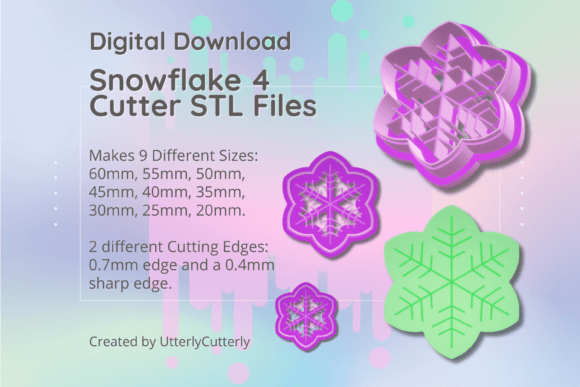
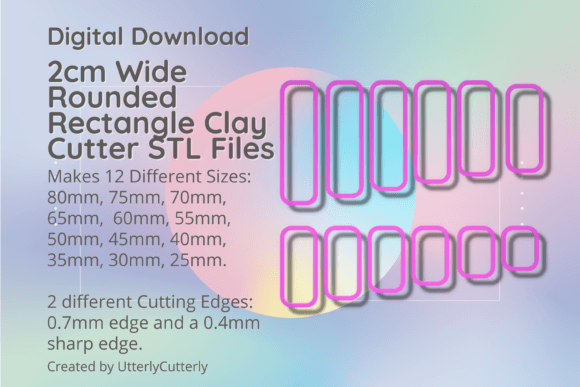
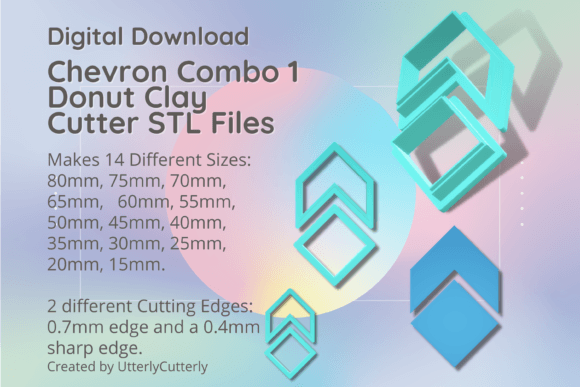
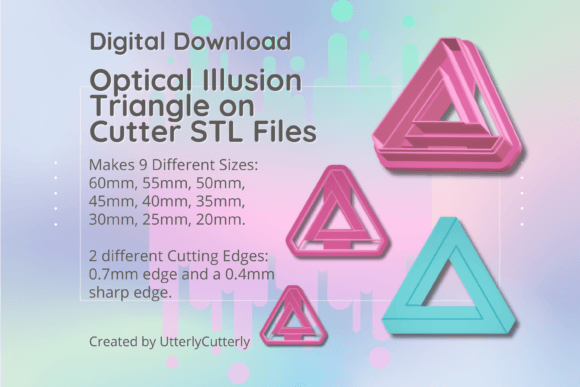
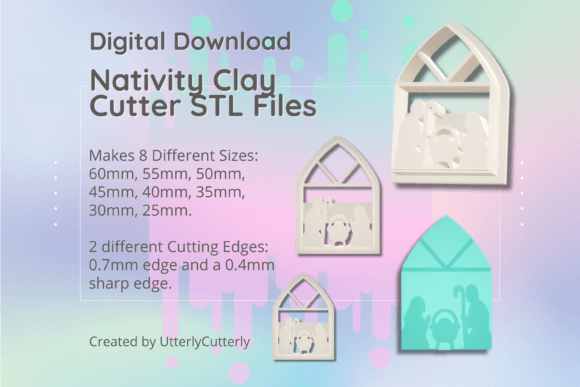
- Customization: Physical cutters come in fixed sizes. This STL bundle includes eight distinct sizes ranging from 25mm to 60mm, allowing users to print only what they need or scale designs within the provided parameters.
- Cost Efficiency: While the initial investment in a 3D printer is significant, the marginal cost of printing a cutter is negligible compared to buying individual metal stamps or cutters for every new design.
- Lead Time: Immediate access after payment allows for same-day prototyping, whereas physical alternatives may require weeks of delivery time during peak holiday seasons.
- Durability Tradeoff: PLA or PETG printed cutters are less durable than stainless steel. They are best suited for medium-volume production rather than industrial-scale manufacturing.
This digital approach is ideal for creators who value flexibility and immediate access over long-term tool longevity. It serves as a bridge for those testing new designs before committing to expensive metal tooling.
Technical Specifications and Printability
Evaluating the utility of any clay cutter STL requires a close examination of its geometry. Poorly designed files result in failed prints or tools that tear clay rather than cutting it cleanly. This specific bundle addresses common pain points by offering two distinct cutting edge profiles, each serving different material requirements.
Standard Wall versus Sharp Edge (SE)
The inclusion of dual edge types provides versatility across different mediums. Understanding when to use each is critical for achieving clean results.
- Standard 0.7mm Wall: This version features a 0.7mm wall thickness with a 3mm base and 12mm height. It offers structural rigidity suitable for stiffer clays or thicker cookie doughs. The wider wall reduces the risk of the cutter deforming during pressing but may leave a slightly wider impression line.
- Sharp Edge (SE): Abbreviated as SE in the file names, this variant utilizes a 1mm support wall tapering to a 0.4mm cutting edge. Despite having the same 3mm base and 12mm height, the finer edge is optimized for delicate polymer clay work where precision is paramount. The 1mm support wall maintains printability on standard FDM printers while providing a cleaner cut than the standard version.
For users primarily working with soft polymer clay for jewelry, the SE variant is generally superior. For ceramic clay or gingerbread, the standard 0.7mm wall provides necessary durability. Both variants maintain a consistent 12mm height, ensuring adequate clearance for ejection mechanisms or finger grips during use.
Sizing Strategy and Embossing Compatibility
The bundle’s size range—60mm, 55mm, 50mm, 45mm, 40mm, 35mm, 30mm, and 25mm—is measured from the longest ends of the design. This graduated sizing system supports various applications without requiring external scaling, which can sometimes distort intricate details in STL files.
A critical technical consideration involves embossing depth. If the design includes internal detailing or texture lines, they are set at 10.5mm tall relative to the cutter base. This specification dictates material preparation: clay must be conditioned to a thickness greater than 1.5mm to accommodate the embossing without bottoming out. Using clay thinner than this threshold will result in incomplete impressions or structural weakness in the final piece. This constraint makes the cutter less suitable for ultra-thin veneer work but excellent for standard tile, pendant, and ornament creation where structural integrity is required.
Material Compatibility and Best-Fit Scenarios
Determining whether the Nativity Scene Tile Clay Cutter - Christ is the right tool depends heavily on your primary medium and production volume.
Polymer Clay Jewelry and Ornaments
This is the optimal use case. The SE variant cuts cleanly through conditioned polymer clay, and the 10.5mm embossing depth creates sufficient relief for painting or wax finishing. The smaller sizes (25mm–40mm) are particularly well-suited for earrings and pendants, while larger sizes work for standalone ornaments. The ability to print multiple sizes allows jewelers to create cohesive collections with proportional consistency.
Ceramic and Pottery
The standard 0.7mm wall variant performs adequately with soft earthenware or porcelain. However, users should note that abrasive ceramic bodies can wear down PLA edges over time. For high-volume ceramic production, this digital cutter serves best as a prototyping tool to test design appeal before investing in plaster molds or metal dies.
Baking and Confectionery
While functional for cookies, users must verify food safety. Standard 3D printing filaments like PLA are not inherently food-safe due to layer lines harboring bacteria and potential nozzle contaminants. If using these cutters for food, they should be treated as single-use or coated with food-safe epoxy. For professional bakers, food-grade silicone molds or stamped metal cutters remain the safer standard. This STL bundle is better positioned for craft clay than culinary applications unless proper safety protocols are followed.
Comparative Evaluation: When to Choose Alternatives
While this digital bundle offers significant advantages, it is not universally superior. Recognizing its limitations helps prevent frustration and wasted resources.
Choose this STL bundle if:
- You own a calibrated 3D printer and are comfortable with basic slicing software.
- You require specific religious iconography not readily available in mass-market craft stores.
- You need multiple sizes for a coordinated product line without purchasing separate tools for each dimension.
- You are prototyping designs for potential future metal tooling.
- Your timeline requires immediate access rather than waiting for shipping.
Consider alternative options if:
- You lack 3D printing capabilities and cannot access a local makerspace or printing service.
- You require food-safe certification for commercial baking.
- Your clay work consistently uses sheets thinner than 1.5mm.
- You need industrial durability for thousands of impressions without replacement.
- You prefer the tactile feedback and heat dissipation of metal tools over plastic.
Practical Considerations for Digital Acquisition
As a non-physical item, the value proposition centers entirely on file quality and licensing terms. Before acquiring any digital cutter file, verify that the STL meshes are watertight and manifold. Non-manifold geometry causes slicing errors and print failures. Reputable designers typically test-print their files, but user reviews or sample renders can provide additional confidence.
Licensing is equally important. Some digital cutter files permit commercial use of items made with the cutter, while others restrict usage to personal projects. Clarifying these terms upfront prevents legal complications for sellers planning to offer finished Nativity tiles or jewelry. Additionally, consider the designer’s update frequency. Stores that add new STL files weekly offer ongoing value for makers who regularly refresh their seasonal inventory, making the initial platform choice more strategic than a single transaction.
Ultimately, the Nativity Scene Tile Clay Cutter - Christ STL bundle represents a practical intersection of faith-based artistry and modern fabrication technology. It empowers makers to produce specific, meaningful designs with professional consistency, provided they understand and respect the technical parameters of both the digital files and their chosen clay medium. By weighing the customization benefits against the requirements of 3D printing and material thickness, artisans can make informed decisions that enhance rather than complicate their creative workflow.